

Introduction:
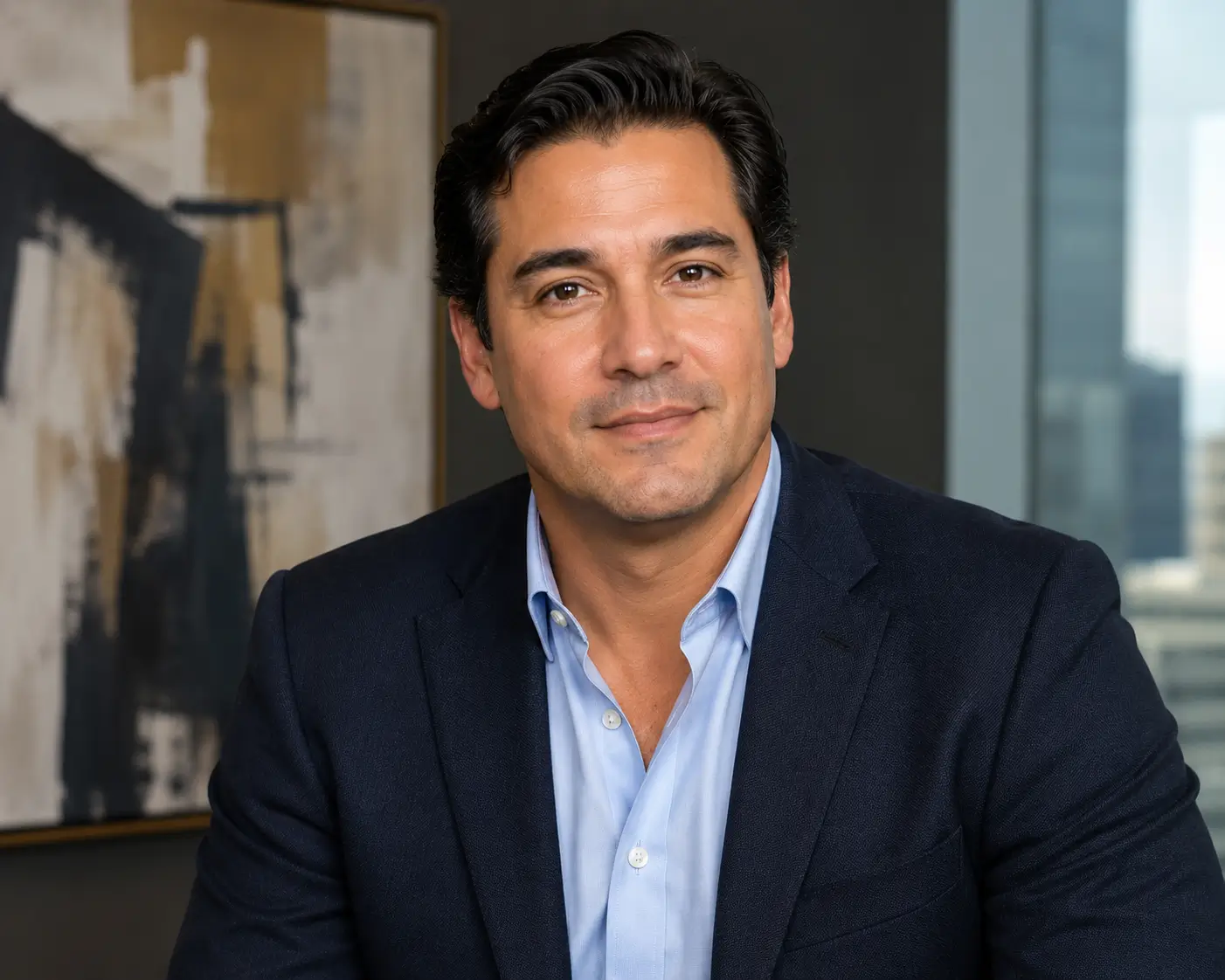
Eduardo Tamayo is a name that frequently appears alongside Tulsi Gabbard, but his own life has remained remarkably private. While Gabbard went on to build a highly visible career in Hawaii politics, the U.S. Congress, military service, presidential politics, and national government, Tamayo largely stayed away from the public stage. As a result, much of what people know about him comes from the period when he was married to Gabbard rather than from a public career of his own.
Tamayo and Gabbard’s relationship began long before she became a nationally recognized political figure. According to accounts Gabbard has given publicly, the two were childhood sweethearts and close friends who grew up in Hawaii and shared interests such as surfing. Their relationship eventually led to marriage in 2002, when Gabbard was 21. The marriage lasted approximately four years and ended in divorce in 2006.
The story became more significant because the marriage coincided with a dramatic period in Gabbard’s life. She entered the Hawaii Army National Guard and was deployed to Iraq, creating long periods of separation and extraordinary pressure on a young marriage. Gabbard later discussed the effect that her military service had on the relationship, describing the experience as particularly difficult for military families.
Because Tamayo has maintained such a low public profile, separating verified information from online speculation is essential. There are many websites that provide precise claims about his age, occupation, wealth, residence, and personal life, but those details are not consistently supported by strong public sources. A responsible biography should therefore focus on what can actually be established while acknowledging what remains private.
Profile Summary
| Category | Details |
|---|---|
| Full Name | Eduardo Tamayo |
| Known For | Being Tulsi Gabbard’s first husband |
| Relationship to Tulsi Gabbard | Childhood sweetheart and former husband |
| Marriage Year | 2002 |
| Divorce Year | 2006 |
| Marriage Duration | Approximately 4 years |
| Childhood Connection | Gabbard described him as her childhood sweetheart and best friend |
| Shared Interests | Surfing and growing up together in Hawaii |
| Military Connection | His marriage to Gabbard overlapped with her Hawaii Army National Guard service and deployment |
| Gabbard’s Iraq Deployment | Approximately 18 months |
| Children Together | No reliable public evidence of children |
| Occupation | Broadly described in public sources as a businessman or self-employed |
| Current Career | Not reliably documented in major public sources |
| Current Residence | Not reliably established |
| Net Worth | No verified public figure |
| Life After Divorce | Maintained a largely private life |
| Connection to Hawaii | Strongly associated with Gabbard’s Hawaii upbringing |
| Later Public Profile | Remained largely outside politics and media |
| Gabbard’s Later Husband | Abraham Williams, whom she married in 2015 |
| Public Information Level | Limited, especially regarding his post-divorce life |
| Main Reason for Public Interest | His former marriage to Tulsi Gabbard |
| Privacy | Has largely stayed away from public attention |
Who Is Eduardo Tamayo?
Eduardo Tamayo is best known publicly as the first husband of Tulsi Gabbard. Unlike Gabbard, he did not develop a national political career or become a regular subject of television interviews. His public recognition largely emerged from his relationship with Gabbard, whose career eventually made her one of Hawaii’s best-known political figures.
The available public record describes Tamayo broadly as a businessman or self-employed individual, but it does not provide a sufficiently detailed, authoritative professional biography. Some websites have attempted to identify specific businesses, financial figures, or professional achievements associated with him, yet these claims are often repeated without strong supporting documentation. It is therefore more accurate to describe his professional background cautiously rather than present uncertain online claims as established facts.
One of the most reliable pieces of information about Tamayo comes indirectly through Gabbard’s own recollections. In a 2013 Vogue profile, Gabbard described him as her childhood sweetheart and explained that they had been best friends, surfed together, and had families that were close. That account places their relationship firmly in their youth, long before Gabbard’s political career attracted national attention.
This early connection helps explain why their marriage was more than a relationship that developed after Gabbard became famous. They knew one another before the political campaigns, congressional appearances, presidential debates, and military service that eventually made Gabbard a recognizable public figure. At the beginning of their story, they were simply two young people from Hawaii who had grown up around one another.
Their private relationship later became part of a much larger public narrative because of Gabbard’s extraordinary career. Yet Tamayo himself remained outside that narrative. There is no comparable public archive of speeches, interviews, campaign appearances, or professional profiles that would allow a detailed account of his life independent of his former wife.
That lack of information should not be interpreted as evidence that he has had an uneventful life. It simply reflects the fact that he has not chosen—or had no reason—to make his personal and professional activities public. For someone who became recognizable through marriage rather than through a public profession, that distinction is particularly important.
Early Relationship With Tulsi Gabbard
The relationship between Eduardo Tamayo and Tulsi Gabbard began during their youth in Hawaii. Gabbard later described Tamayo as her childhood sweetheart, emphasizing that they were best friends and that their families were close. Their shared upbringing gave the relationship a foundation that went well beyond a conventional adult romance.
Their connection developed during a period when neither had the public profile that would later define Gabbard’s life. Gabbard would eventually become involved in Hawaii politics and military service, but when she and Tamayo were young, their lives were considerably more private. Their shared Hawaiian background and family connections appear to have played a meaningful role in keeping them close.
The couple married in 2002. Gabbard was 21 at the time, and the marriage took place before she had become a member of the U.S. House of Representatives. Established biographical sources consistently place the marriage between 2002 and 2006.
Their marriage therefore began at a pivotal moment in Gabbard’s transition from young adulthood into public service. She was entering a period that would eventually include both political responsibilities and military commitments. Those demands would have consequences for the couple’s private life.
There is relatively little reliable public information about their day-to-day married life. This is another area where online biographies sometimes go beyond what the evidence supports. There are claims about their wedding, household, finances, and personal disagreements, but many of those details cannot be independently confirmed.
What can be established is that their relationship had roots in childhood and continued into adulthood, eventually becoming a marriage. That makes their story unusual compared with many public figures whose spouses enter their lives after fame has already arrived. Tamayo knew Gabbard before the political spotlight, and their marriage belonged to a very different chapter of her life.
The absence of detailed interviews from Tamayo himself is also significant. Most of the publicly available narrative about the marriage comes from Gabbard’s later comments or from biographical reporting. That means readers should distinguish between documented facts and interpretations of what may have happened privately between the couple.
Marriage, Military Deployment, and Divorce
The most consequential chapter of Eduardo Tamayo’s public story concerns the effect of Gabbard’s military service on their marriage. Gabbard joined the Hawaii Army National Guard in 2003 and later deployed to Iraq. Her deployment created a prolonged physical separation from her husband at a time when both were still relatively young.
Gabbard later described the experience as extremely difficult for their marriage. Public accounts connect the end of the relationship to the period surrounding her return from an 18-month deployment to Iraq. The broader issue she highlighted was the pressure that military service and deployment can place on spouses and families.
This context matters because it is easy to reduce a divorce to a single event or allegation. The available public evidence does not justify inventing private disagreements or assigning blame to either person. Gabbard’s own later explanation provides the clearest public account: the demands and stresses surrounding military service played a significant role in the breakdown of the marriage.
For Tamayo, the circumstances would have been particularly difficult because the relationship was taking place during a major transition in Gabbard’s life. Military deployment meant long-distance marriage, separation, uncertainty, and a completely altered daily routine. When a service member returns from a war zone, returning physically is only one part of the transition; rebuilding ordinary family life can also be challenging.
The marriage ended in divorce in 2006, approximately four years after the couple married. While some secondary sources provide a precise date of June 5, 2006, the more firmly established fact is that the divorce occurred in 2006.
An interesting part of the aftermath concerns Gabbard’s surname. She continued using the Tamayo name for several years after the divorce. In 2011, she publicly explained that she had retained the name partly because she had hoped that she and Tamayo might eventually have a future together again. She later returned to using Gabbard professionally and publicly.
That detail provides a more nuanced picture than the idea of a simple and immediate separation. Gabbard’s comments suggested that the relationship remained emotionally meaningful after the legal divorce, even though reconciliation ultimately did not happen. She also indicated that she and Tamayo remained friends and that she continued to have a positive relationship with his family.
It is worth emphasizing that there is no equally detailed public account from Tamayo explaining the marriage or divorce from his own perspective. Consequently, claims about his personal feelings, motivations, or reactions should be treated cautiously. The strongest available evidence describes the relationship through Gabbard’s statements and established biographical records.
Eduardo Tamayo’s Career, Privacy, and Life After Divorce
Compared with his former wife, Eduardo Tamayo has maintained an exceptionally low public profile. Public sources have described him as a businessman or self-employed, but there is insufficient reliable information to construct a detailed career history. His employers, specific business activities, professional achievements, and current occupation are not firmly established in major biographical sources.
This limited record has created an environment where speculation can easily be mistaken for fact. Various online profiles claim that Tamayo owns particular businesses or has accumulated a specific amount of wealth, but those claims are not supported consistently enough to be presented as confirmed information. A careful biography should avoid giving readers a false sense of certainty about details that Tamayo himself has not publicly established.
His approach to privacy is particularly notable because his former wife eventually became a major national political figure. Gabbard served in the Hawaii House of Representatives, on the Honolulu City Council, and in the U.S. House of Representatives. She later sought the Democratic presidential nomination in 2020 and subsequently held a senior national-security position in the federal government.
As Gabbard’s profile expanded, the public naturally became more curious about her past, including her first marriage. Tamayo, however, did not become a political commentator, campaign spokesperson, or frequent interview subject. His public identity remained largely tied to an earlier period of Gabbard’s life.
That contrast is one of the most interesting elements of his story. Two people who began their relationship as childhood friends followed dramatically different paths in adulthood. Gabbard entered public service and eventually became a nationally recognized political personality, while Tamayo largely remained outside the machinery of public life.
There is also very little reliable information about Tamayo’s life after the divorce. Claims that he remarried, started a family, accumulated a particular fortune, or moved to a specific location circulate online, but they should not automatically be treated as facts. His privacy means that many ordinary details about his present life simply are not part of the public record.
That restraint can be viewed as a defining feature of his public identity. Tamayo’s name became known because of a relationship, not because he sought celebrity. Once that relationship ended, he did not appear to pursue the kind of public attention that might have been available through his connection to a nationally prominent former spouse.
Family Background and Connection to Tulsi Gabbard’s Story
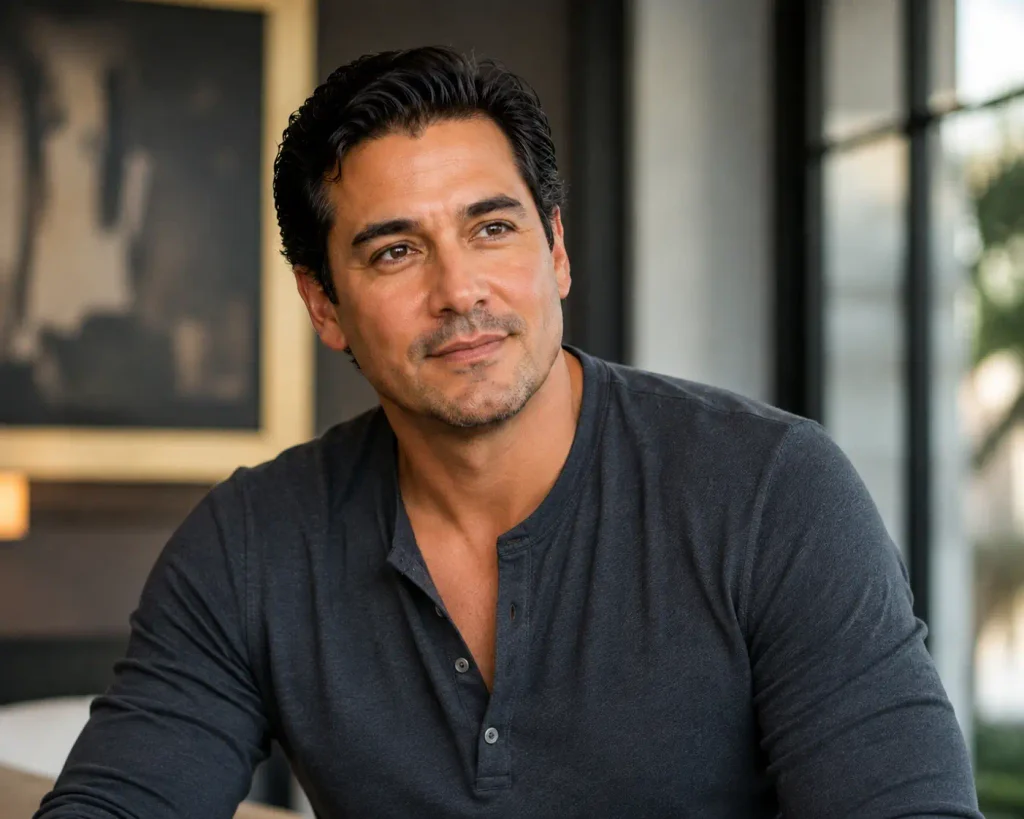
Information about Eduardo Tamayo’s wider family background is scarce, but one documented family connection has appeared in reporting about Gabbard. The New Yorker identified Tamayo as the nephew of Toby Tamayo in a profile examining Gabbard’s background. That connection is useful because it provides one of the few independently reported details about Tamayo’s family circle.
Beyond such limited references, reliable information about his parents, siblings, education, childhood home, and extended family is difficult to establish. Some online biographies provide detailed family histories, but they do not always identify credible sources for those claims. In a biography of a private individual, restraint is preferable to filling gaps with assumptions.
There is also no established evidence that Tamayo and Gabbard had children during their marriage. Major biographical sources describing Gabbard’s family history do not list children from her relationship with Tamayo. Gabbard later married cinematographer Abraham Williams in 2015, and her later marriage became the more prominent part of her personal biography.
The lack of children in the Tamayo-Gabbard marriage is relevant when understanding the divorce because it meant that their separation did not involve publicly documented child-custody arrangements. Their personal relationship could therefore move into a different phase after the divorce without the ongoing public family responsibilities that often keep former spouses connected.
Gabbard’s later public life also changed dramatically. Her marriage to Abraham Williams began in 2015, and Williams has been her husband during the period when she became a national political figure and later held federal office. Tamayo, meanwhile, remained largely absent from the public narrative surrounding Gabbard’s later career.
That separation between their public identities is worth respecting. A person who once occupied an important place in a public figure’s personal life does not automatically become a public figure themselves. In Tamayo’s case, most of what is known about him concerns a historical relationship, while much of his life outside that relationship remains private.
The story also demonstrates how difficult it can be to write accurately about people who become famous indirectly. When someone is connected to a celebrity or politician, readers often expect a complete biography even when the individual has never released one. The responsible approach is to explain the known history while being transparent about the boundaries of the evidence.
Where Is Eduardo Tamayo Today?
Eduardo Tamayo’s current life is difficult to document with certainty because he has maintained a low public profile. Unlike Tulsi Gabbard, he does not have a long record of public speeches, official appointments, congressional biographies, campaign statements, or major media interviews that could provide a reliable timeline of his activities.
Some recent online sources claim that he continues to live in Hawaii and remains involved in business, but those details are not sufficiently supported by authoritative public documentation to present them as definite current facts. The same caution applies to claims about his marital status, children, wealth, and exact occupation.
What can be said with confidence is that Tamayo’s public relevance today is primarily historical. His connection to Gabbard belongs to the early part of her adult life, before she became a nationally recognized political figure. Their marriage from 2002 to 2006 is the central documented element of his public biography.
The contrast with Gabbard’s subsequent trajectory is striking. After their divorce, she continued her military and political career, became a member of Congress, ran for president, and later entered the federal executive branch. Tamayo did not follow the same public path, and there is no strong evidence that he sought to capitalize on his connection to her.
His privacy also means that questions about his current personal life often cannot be answered responsibly. If he has developed new relationships, expanded a business, changed residence, or pursued interests away from public attention, those developments may simply not have been reported.
For readers researching Eduardo Tamayo, this is perhaps the most useful lesson: a lack of public information is not the same as a lack of a life. It simply means that the person has kept that life away from public documentation. In an age when even private individuals can become subjects of online speculation, respecting that distinction is especially important.
His story remains interesting not because every detail of his life is known, but because of the chapter he shared with a woman who later became a major figure in American politics and national security. Their early relationship provides a glimpse into Gabbard’s life before national fame, while Tamayo’s later privacy offers a striking contrast to the public career she pursued.
Conclusion
Eduardo Tamayo’s biography is a story defined as much by privacy as by public association. He is best known as Tulsi Gabbard’s first husband and childhood sweetheart, but their relationship began long before Gabbard became a congresswoman or nationally recognized political figure. They married in 2002 and divorced in 2006, during a period when Gabbard’s military service and deployment to Iraq placed considerable pressure on their young marriage.
After the divorce, Gabbard’s career continued toward increasingly visible positions in politics, military affairs, and federal government. Tamayo, by contrast, remained largely outside the spotlight. Public sources describe him broadly as a businessman or self-employed individual, but much of his professional and personal life has never been documented in detail.
That limited public record is worth respecting. Rather than repeating unsupported claims about his wealth, occupation, residence, or relationships, the most reliable account focuses on what is actually established. Eduardo Tamayo was an important figure in the early adult life of Tulsi Gabbard, and their marriage formed one chapter in a much larger story. Beyond that chapter, he appears to have chosen a quieter life away from public attention.
Frequently Asked Questions
1. Who is Eduardo Tamayo?
Eduardo Tamayo is an American private individual best known publicly as Tulsi Gabbard’s first husband and childhood sweetheart. He has largely remained outside the public spotlight.
2. When did Eduardo Tamayo marry Tulsi Gabbard?
Eduardo Tamayo and Tulsi Gabbard married in 2002, when Gabbard was 21 years old. Their marriage took place before her national political career began.
3. When did Eduardo Tamayo and Tulsi Gabbard divorce?
The couple divorced in 2006 after approximately four years of marriage. Some sources provide June 5, 2006, as the precise date, although the year is more consistently documented.
4. Why did Eduardo Tamayo and Tulsi Gabbard divorce?
Gabbard later connected the breakdown of the marriage with the stresses associated with her military service and deployment to Iraq. Because Tamayo has not provided a similarly detailed public account, it is inappropriate to speculate about additional private reasons.
5. Did Eduardo Tamayo and Tulsi Gabbard have children?
There is no reliable public evidence that the couple had children during their marriage. Established biographical sources do not identify children from their relationship.
6. Was Eduardo Tamayo Tulsi Gabbard’s childhood sweetheart?
Yes. Gabbard herself described Tamayo as her childhood sweetheart and said they were best friends who surfed together and whose families were close.
7. What does Eduardo Tamayo do for a living?
Public sources have broadly described Tamayo as a businessman or self-employed individual. However, reliable information about his specific occupation, companies, or current professional activities is limited.
8. Where does Eduardo Tamayo live?
His current residence has not been reliably established through strong public sources. Some online profiles say he remains connected to Hawaii, but that claim should not be treated as confirmed without better documentation.
9. Did Eduardo Tamayo remarry after Tulsi Gabbard?
There is no sufficiently reliable public information confirming whether Tamayo remarried after his divorce from Gabbard. His personal relationships have largely remained private.
10. Is Eduardo Tamayo still involved with Tulsi Gabbard?
Eduardo Tamayo and Tulsi Gabbard are no longer married. Gabbard later married Abraham Williams in 2015. Public information about Tamayo’s current relationship with Gabbard is limited, although Gabbard previously indicated that they remained on friendly terms after their divorce.
You May Read Also:
